 FACULTY OF EXACT AND NATURAL SCIENCES
 FACULTY OF HUMANITIES
 FACULTY OF SOCIAL AND POLITICAL SCIENCES
 FACULTY OF PSYCHOLOGY AND EDUCATIONAL SCIENCES
 FACULTY OF ECONOMICS AND BUSINESS
 FACULTY OF MEDICINE
 FACULTY OF LAW




In early 2025, UNICEF Georgia announced a competition to select an academic team from an accredited higher education institution. The group of specialists was tasked with translating the electronic learning modules on the impact of the environment on children's health, developed by the United Nations Children's Fund (UNICEF) and the World Health Organization (WHO), into Georgian and posting it on an electronic platform. This would allow interested readers to study the most important issues related to children's health in their native language.
The project aimed to educate representatives of regional public health service representatives on important issues impacting children’s health, such as climate, air, water, heavy metals, plastic waste, e-waste, etc. The Department of Public Health and Epidemiology academic team from the Faculty of Medicine at TSU won the competition and began working in the spring of 2025. Despite the time constraints, the group of specialists met the project’s requirements perfectly and finished the work in the fall of 2025. Based on electronic resources from the UNICEF and WHO, the team prepared all the project’s modules in Georgian. Specifically: Prof. Nino Chikhladze prepared the material on air pollution/indoor air pollution; Assoc. Prof. Lasha Loria prepared the material on issues related to global warming and climate change; Prof. Nata Kazakhashvili prepared the material on the impact of e-waste on children's health; Doctor of Medicine and invited lecturer Ekaterine Ruadze prepared the educational material on heavy metals; Associate Professor Nato Pitskhelauri worked on issues related to plastic waste; Associate Professor Maka Jorbenadze prepared the material on unsafe (dangerous) medical services; Associate Professor Keti Dadiani prepared the educational module on water-related health risks; and Information Technology Specialist Giorgi Sturua ensured the placement of the educational modules on the electronic platform. Professor Paata Imnadze supervised the project implementation process, the timely completion of tasks, and the quality of the work performed.
A syllabus for the new subject, The Impact of the Environment on Children's Health, was prepared based on the project materials and submitted to the Academic Council of the Faculty of Medicine for approval.
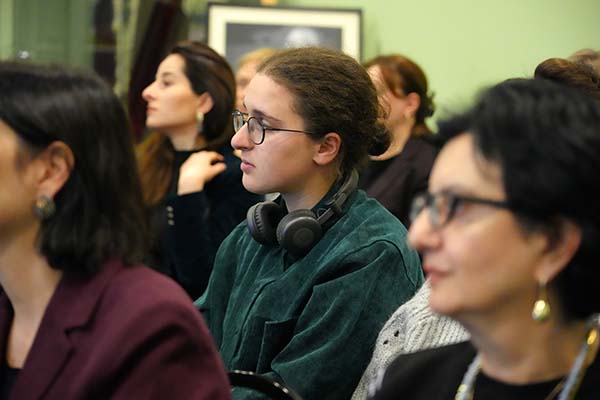
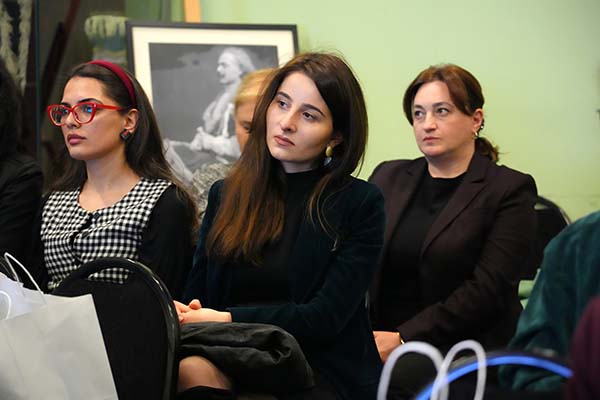
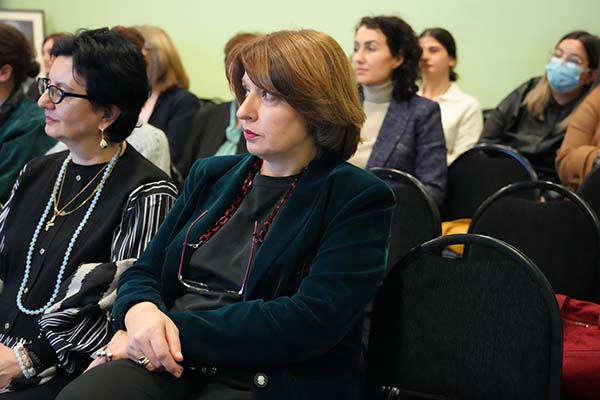
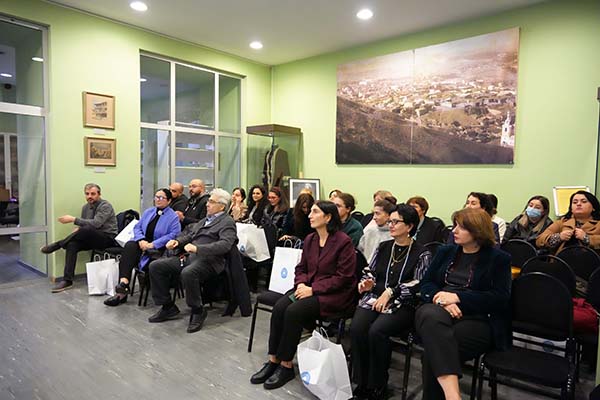
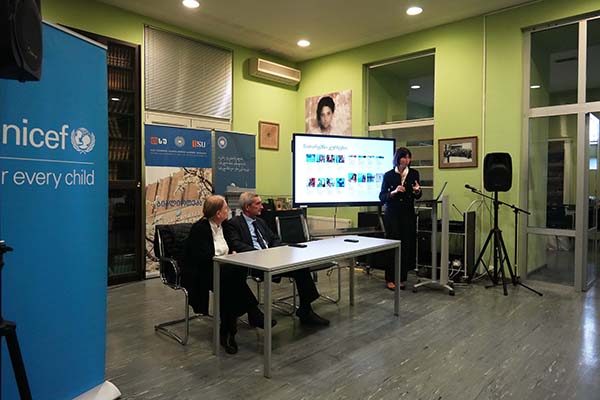
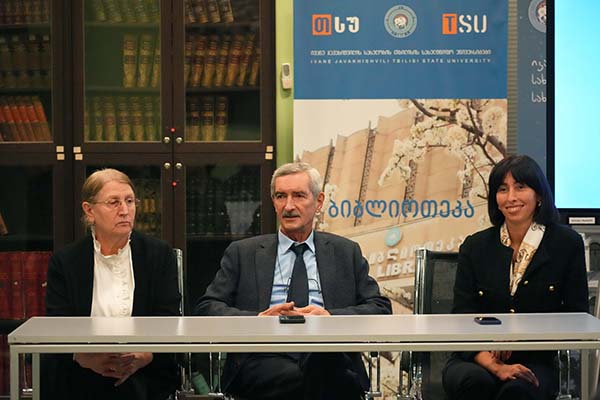
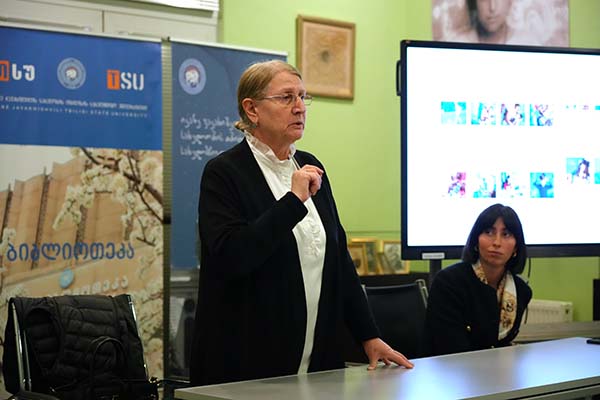
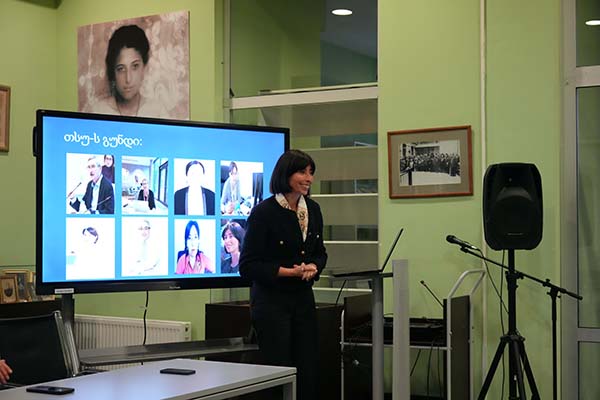
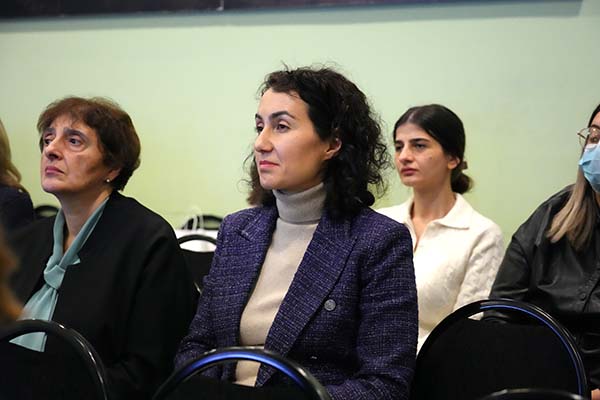
A summary conference was held at the end of the project, which was attended by BA, MA, and PhD students, as well as invited guests. The project's work was highly appreciated, and the public representatives in attendance expressed their gratitude to the UNICEF Georgia office for initiating and supporting the project. The effective work of the academic staff was also highlighted.